
Signs You May Need a Knee or Hip Replacement Surgery

Updated: Jun 26
Living with persistent joint pain can take a toll on mobility, quality of life, and mental health. If knee or hip discomfort interferes with daily activities, it’s important to know when specialist evaluation may be needed—especially from an expert like Dr. Kashyap Solanki, renowned orthopaedic surgeon and joint replacement specialist in Mumbai. Below are signs that often indicate the need for knee or hip replacement surgery.
Key Signs for Knee Replacement Surgery

Persistent or severe pain: Chronic pain in the knee—even when resting or during sleep—is a major warning sign.
Swelling and inflammation: Swelling that does not respond to medication often signals advanced joint degeneration.
Stiffness and limited mobility: Difficulty bending or straightening the knee, or a sense of “locking,” can severely restrict daily activities.
Visible deformity: Bowing of the leg or changes in knee appearance, such as redness, swelling, or misalignment.
Medication and therapy no longer help: When pain-relief drugs and physical therapy fail to offer relief, replacement may be the best option.
Difficulty with daily activities: Struggling to climb stairs, walk, or carry out normal household chores points to a deteriorating joint.
Negative impact on mental wellbeing: Loss of function and independence due to joint pain can lead to anxiety, depression, and reduced quality of life.
Recognising When Hip Pain Requires Specialist Care
Hip pain is one of the leading causes of disability in adults and can significantly affect your ability to walk, work, exercise, and enjoy everyday life. While many cases of hip pain improve with rest, physiotherapy, medications, or lifestyle changes, persistent symptoms may indicate severe joint damage that requires surgical treatment.
Hip replacement surgery is generally considered when the hip joint has become so damaged that non-surgical treatments no longer provide adequate relief. Recognising the warning signs early allows timely intervention, helping patients regain mobility, reduce pain, and improve their quality of life.
Below are the key signs that may indicate it is time to consult an orthopaedic surgeon regarding hip replacement surgery.
1. Chronic and Significant Hip Pain
Persistent pain is the most common reason patients eventually undergo hip replacement surgery. Initially, discomfort may occur only after prolonged walking or physical activity. However, as the underlying joint damage progresses, the pain often becomes more frequent, more severe, and begins to interfere with daily life.
Patients commonly describe:
Pain deep in the groin (the most characteristic symptom)
Pain over the outer aspect of the hip
Pain radiating to the thigh or knee
Difficulty walking even short distances
Pain while standing for prolonged periods
Discomfort when climbing stairs
Pain that interrupts sleep or wakes you at night
Many patients are surprised that arthritis of the hip often presents as knee pain, delaying the correct diagnosis. The pain may become constant, occurring even during periods of rest, indicating advanced cartilage loss.
Healthy cartilage allows smooth, friction-free movement of the hip joint. As arthritis progresses, this protective cartilage wears away, causing the bones to rub directly against each other. This leads to inflammation, pain, stiffness, and progressive loss of function.
If your pain has persisted for several months despite appropriate treatment and significantly affects your daily activities or sleep, it is important to seek evaluation by an orthopaedic specialist.
2. Stiffness or Loss of Range of Motion
Pain is often accompanied by increasing stiffness of the hip joint. As arthritis progresses, patients gradually lose flexibility, making simple movements increasingly difficult.
You may notice difficulty:
Putting on socks or shoes
Cutting toenails
Crossing your legs
Sitting on low chairs
Getting in and out of a car
Climbing stairs
Squatting or kneeling
Using Indian-style toilets
Turning while walking
Many patients describe their hip as feeling "locked," "tight," or "frozen."
This stiffness develops because inflammation, cartilage loss, bone spurs (osteophytes), and tightening of the surrounding muscles restrict normal joint movement. As the range of motion decreases, the body begins to compensate by altering posture and walking patterns, which can place additional strain on the lower back, opposite hip, and knees.
Loss of hip mobility is a strong indicator that the disease is progressing and should not be ignored.
3. Swelling, Redness, Warmth, or Grinding Sensations
Although the hip joint lies deep beneath the surrounding muscles, inflammation caused by advanced arthritis can occasionally produce visible or noticeable changes.
Some patients experience:
Swelling around the hip
Warmth over the joint
Tenderness on touching the hip
A sensation of fullness around the joint
Audible clicking or grinding sounds (crepitus)
A feeling that the joint catches during movement
Grinding or clicking occurs because the smooth cartilage covering the joint surfaces has worn away, allowing rough bone surfaces to rub against one another.
While swelling and warmth can occur with arthritis, they may also indicate infection or inflammatory joint diseases such as rheumatoid arthritis. Persistent redness, significant swelling, fever, or severe pain should always be assessed promptly by an orthopaedic surgeon.
4. No Relief from Medications or Conservative Treatment
Hip replacement surgery is rarely the first treatment option. Most patients initially undergo non-surgical management aimed at controlling pain and maintaining function.
These treatments may include:
Pain-relieving medications
Anti-inflammatory medicines
Physiotherapy
Weight reduction
Activity modification
Walking aids
Corticosteroid injections
Platelet-rich plasma (PRP) injections (in selected cases)
Lifestyle changes
Many patients experience temporary improvement with these measures. However, as arthritis progresses, their effectiveness gradually declines.
Warning signs that conservative treatment is no longer sufficient include:
Pain returns immediately after medication wears off
Multiple injections provide only temporary relief
Physiotherapy no longer improves walking ability
Increasing dependence on painkillers
Progressively worsening symptoms despite treatment
At this stage, continuing ineffective treatments may simply prolong discomfort without addressing the underlying joint damage. Hip replacement becomes an important option for restoring function and relieving pain.
5. Reliance on Walking Aids
As hip arthritis worsens, patients naturally begin to protect the painful joint by changing the way they walk.
You may notice yourself:
Using a walking stick or cane regularly
Needing a walker for longer distances
Holding onto furniture while walking indoors
Depending on another person for support
Avoiding uneven ground
Climbing stairs one step at a time
Walking more slowly than before
These changes occur because the damaged hip can no longer comfortably support normal body weight.
Unfortunately, prolonged abnormal walking patterns place additional stress on the opposite hip, knees, ankles, and lower back, often leading to secondary joint problems.
If walking aids become necessary for routine daily activities rather than occasional support, it usually indicates significant functional impairment.
6. Joint Deformity or Persistent Limping
One of the hallmark signs of advanced hip arthritis is a noticeable change in the way a person walks.
Patients may develop:
A persistent limp
Leaning toward the affected side while walking
Unequal leg lengths
Difficulty standing upright
Muscle wasting around the hip and thigh
Progressive loss of balance
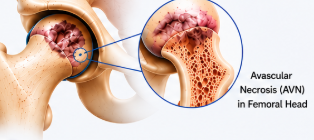
As cartilage wears away, the joint space narrows, and the shape of the hip gradually changes. Bone spurs may develop, and in severe cases, collapse of the femoral head (particularly in avascular necrosis) can alter the normal alignment of the joint.
Over time, these changes can lead to:
Chronic lower back pain
Pelvic tilt
Increased strain on the opposite hip
Knee pain
Reduced walking endurance
A persistent limp is not merely a cosmetic issue—it is often a sign of advanced structural damage within the hip joint.
7. Routine Daily Activities Become Difficult or Impossible
Perhaps the most important factor in deciding whether hip replacement surgery is appropriate is the effect of symptoms on your quality of life.
Consider whether hip pain prevents you from:
Walking comfortably
Shopping independently
Driving a car
Climbing stairs
Sitting for prolonged periods
Standing while cooking
Exercising
Travelling
Working efficiently
Playing with children or grandchildren
Participating in social activities
Sleeping peacefully
Many patients gradually reduce their activity levels to avoid pain, often without realising how much their world has become smaller.
The goal of hip replacement surgery is not simply to remove pain—it is to restore independence, mobility, confidence, and overall quality of life.
If hip pain prevents you from enjoying normal daily activities despite appropriate treatment, discussing surgical options with an experienced orthopaedic surgeon is reasonable.
What To Do Next
If experiencing one or more of these signs, seek prompt assessment from a qualified orthopaedic surgeon. Dr. Kashyap Solanki offers advanced diagnostic tools, joint preservation techniques, and personalized care protocols to help restore active, pain-free living.
Frequently Asked Questions — Knee and Hip Replacement Surgery in Mumbai
Q1: How do I know if I need knee replacement surgery in Mumbai?
A: You may need knee replacement surgery if you have persistent knee pain that does not improve with medication or physiotherapy, difficulty walking or climbing stairs, knee stiffness that limits daily activities, visible leg deformity, or pain that disturbs your sleep. Dr. Kashyap Solanki at his clinic in Andheri East, Mumbai, offers a complete evaluation including X-rays to determine if knee replacement is right for you.
Q2: At what age is knee or hip replacement surgery recommended?
A: Joint replacement is recommended based on the severity of pain and loss of function — not age alone. Dr. Kashyap Solanki has performed successful knee and hip replacements on patients ranging from their 40s to their 80s in Mumbai. If joint pain is significantly affecting your quality of life, it is time to consult a specialist regardless of age.
Q3: How long does knee or hip replacement surgery take in Mumbai?
A: Knee replacement surgery typically takes 1 to 1.5 hours. Hip replacement surgery takes 1.5 to 2 hours. Most patients at Dr. Kashyap Solanki's clinics in Andheri East are walking with support within 24 hours of surgery and are discharged within 3 to 5 days.
Q4: What is the recovery time after knee or hip replacement in Mumbai?
A: Most patients can perform basic daily activities within 4 to 6 weeks. Full recovery and return to normal lifestyle takes 3 to 6 months with proper physiotherapy. Dr. Kashyap Solanki provides a personalised rehabilitation plan for every patient to ensure the fastest and safest possible recovery.
Q5: Is knee or hip replacement surgery covered by insurance in Mumbai?
A: Yes — most health insurance policies in India cover knee and hip replacement surgery. Government schemes like CGHS and PMJAY also cover joint replacement in empanelled hospitals. Dr. Kashyap Solanki's team at Amardeep Nursing Home and New JP Hospital, Andheri East can guide you on insurance documentation and approvals.
Q6: What is the cost of knee or hip replacement surgery in Mumbai?
A: The cost depends on the type of implant, hospital, and anaesthesia used. Dr. Kashyap Solanki believes in complete transparency and provides a detailed cost breakdown during your initial consultation so you can make an informed decision without any surprises.
Consult Dr. Kashyap Solanki for Knee and Hip Replacement in Mumbai
If you are experiencing any of the signs mentioned above, do not delay. Early consultation with Dr. Kashyap Solanki can help you understand your treatment options and take the first step towards a pain-free, active life.
📍 Amardeep Nursing Home, Andheri East
📍 New JP Hospital, Andheri East
📍 Bhartiya Arogya Nidhi, Vile Parle West
📞 Call/WhatsApp: +91 8108171796
Book your consultation today — life without joint pain is possible!
Orthopaedic Surgeon – Andheri, Mumbai
Dr. Kashyap Solanki specializes in hip and knee replacement, robotic-assisted knee surgery, and joint preservation procedures like HTO, arthroscopy, and ligament reconstruction. He is also known for performing complex revision joint replacements and managing challenging upper and lower limb fractures. With a focus on precision and patient-centered care, Dr. Solanki helps restore mobility and improve quality of life through advanced orthopaedic solutions.
With over four decades of distinguished orthopaedic practice, Dr. Prabhu Solanki stands as one of Mumbai’s most experienced and respected orthopaedic surgeons. Having treated more than 40,000 patients and performed over 10,000 surgeries, his clinical outcomes and dedication have earned him widespread recognition — not just in Mumbai, but across India and abroad.
Dr. Solanki’s reputation for precision, ethical care, and long-term results has brought him patients from all over India, as well as international patients seeking high-quality orthopaedic treatment and surgical expertise in Mumbai.


Comments