
What Causes Osteonecrosis and How to Prevent It By Dr. Kashyap Solanki – Orthopaedic Surgeon, Andheri East, Mumbai

Updated: Jun 26
Osteonecrosis is a serious condition that affects the bones, leading to their gradual death due to insufficient blood supply. This can cause pain, joint collapse, and loss of mobility if left untreated. Understanding the underlying factors and taking preventive measures can significantly reduce the risk of developing this condition. In this article, we will explore the causes of osteonecrosis, common risk factors, and practical steps to prevent it.
Exploring Osteonecrosis Causes
Osteonecrosis occurs when the blood flow to a bone is disrupted, causing the bone tissue to die. This lack of blood supply can result from various factors, including physical injury, medical conditions, or lifestyle choices. The condition most commonly affects the hip, knee, shoulder, and ankles, but it can occur in any bone.
The disruption in blood flow leads to the collapse of the bone structure, which can cause severe pain and limit joint function. Early diagnosis and treatment are crucial to prevent permanent damage. Understanding the osteonecrosis causes helps in identifying risk factors and adopting preventive strategies.

What Are the Common Causes of Necrosis?
Several factors can contribute to the development of osteonecrosis. Some of the most common causes include:
Trauma or Injury
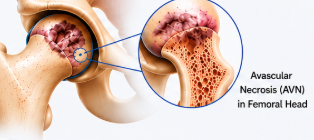
A fracture or dislocation can damage blood vessels supplying the bone, leading to osteonecrosis. For example, a hip fracture can interrupt blood flow to the femoral head, causing bone death.
Steroid Use
Long-term or high-dose use of corticosteroids is a well-known risk factor. Steroids can interfere with the body's ability to maintain healthy blood vessels, reducing blood flow to bones.
Excessive Alcohol Consumption
Heavy drinking can cause fatty deposits in blood vessels, restricting blood flow and increasing the risk of bone death.
Medical Conditions
Diseases such as sickle cell anemia, lupus, and Gaucher’s disease can affect blood circulation and increase the risk of osteonecrosis.
Radiation Therapy
Radiation can damage blood vessels and bone cells, leading to necrosis in the treated area.
Decompression Sickness
Common in divers, this condition causes nitrogen bubbles to block blood vessels, reducing blood flow to bones.
Understanding these causes is essential for early detection and prevention. For more detailed information on the causes of osteonecrosis, you can visit this resource.
Risk Factors That Increase the Likelihood of Osteonecrosis
Certain factors can increase the risk of developing osteonecrosis. These include:
Age and Gender
Osteonecrosis is more common in adults between 30 and 50 years old. Men are slightly more prone to the condition than women.
Lifestyle Choices
Smoking and excessive alcohol use can damage blood vessels and reduce bone health.
Medications
Prolonged use of corticosteroids or chemotherapy drugs can increase risk.
Underlying Health Issues
Conditions like autoimmune diseases, blood disorders, and infections can impair blood flow.
Genetic Predisposition
Some individuals may have a genetic tendency toward blood vessel abnormalities that increase risk.
Being aware of these risk factors can help individuals take proactive steps to protect their bone health.
Practical Tips to Prevent Osteonecrosis
Prevention focuses on maintaining healthy blood flow to bones and avoiding risk factors. Here are some actionable recommendations:
Avoid Excessive Alcohol and Smoking
Limit alcohol intake and quit smoking to improve blood circulation and bone health.
Use Steroids Cautiously
If corticosteroids are necessary, use the lowest effective dose for the shortest time possible under medical supervision.
Protect Against Injuries
Use protective gear during sports and activities to prevent fractures and joint dislocations.
Manage Underlying Conditions
Properly control diseases like diabetes, lupus, or sickle cell anemia with the help of healthcare providers.
Maintain a Healthy Diet
Eat foods rich in calcium, vitamin D, and other nutrients that support bone strength.
Exercise Regularly
Engage in weight-bearing and low-impact exercises to improve bone density and joint function.
Regular Medical Checkups
Early detection through imaging and clinical evaluation can prevent progression.
By following these steps, individuals can significantly reduce their risk of developing osteonecrosis and maintain better joint health.

When to Seek Medical Advice
If you experience persistent joint pain, stiffness, or limited movement, it is important to consult a healthcare professional promptly. Early symptoms of osteonecrosis can be subtle but may worsen over time. Diagnostic tools such as MRI and X-rays can detect bone damage before it becomes severe.
Timely intervention can include medications, physical therapy, or surgical options like core decompression or joint replacement. Ignoring symptoms can lead to joint collapse and permanent disability.
Understanding the early signs and risk factors empowers you to take control of your bone health and seek appropriate care.
By recognizing the causes of osteonecrosis and adopting preventive measures, you can protect your bones and joints from this debilitating condition. Prioritize healthy lifestyle choices, manage medical conditions effectively, and stay vigilant about any joint discomfort to maintain an active and pain-free life.
Frequently Asked Questions — Osteonecrosis
Treatment in Mumbai
Q1: What is the difference between osteonecrosis and Avascular Necrosis (AVN)?
A: Osteonecrosis and Avascular Necrosis (AVN) are the same condition — both refer to bone death caused by loss of blood supply. AVN is the more commonly used term in India. Dr. Kashyap Solanki specialises in diagnosing and treating AVN at his clinics in Andheri East and Vile Parle West, Mumbai.
Q2: Which bones are most commonly affected by osteonecrosis in Mumbai patients?
A: The hip (femoral head) is the most commonly affected bone, followed by the knee, shoulder, and ankle. Dr. Kashyap Solanki sees many patients in Mumbai with AVN of the hip — often linked to steroid use, alcohol consumption, or sickle cell disease.
Q3: Can osteonecrosis be treated without surgery?
A: In early stages, osteonecrosis can sometimes be managed with medications, activity modification, and physiotherapy. However, once bone collapse begins,
surgery is usually necessary. Dr. Kashyap Solanki performs core decompression for early AVN and hip or knee replacement for advanced cases at his clinics in Andheri East, Mumbai.
Q4: How is osteonecrosis diagnosed in Mumbai?
A: MRI is the gold standard for early diagnosis of osteonecrosis — it can detect the condition before X-rays show any changes. Dr. Kashyap Solanki recommends MRI for any patient with persistent hip or knee pain and risk factors for AVN.
Q5: Which doctor should I see for osteonecrosis in Andheri Mumbai?
A: Dr. Kashyap Solanki is one of Mumbai's leading orthopaedic surgeons for osteonecrosis and AVN treatment. He practices at Amardeep Nursing Home and New JP Hospital in Andheri East, and Bhartiya Arogya Nidhi in Vile Parle West.
Consult Dr. Kashyap Solanki for Osteonecrosis Treatment in Mumbai
If you are experiencing persistent joint pain and suspect osteonecrosis or AVN, early diagnosis is critical. Dr. Kashyap Solanki provides expert evaluation and personalised treatment for all stages of osteonecrosis.
📍 Amardeep Nursing Home, Andheri East
📍 New JP Hospital, Andheri East
📍 Bhartiya Arogya Nidhi, Vile Parle West
📞 Call/WhatsApp: +91 8108171796
Book your consultation today — catch it early,
treat it right!
Orthopaedic Surgeon – Andheri, Mumbai
Dr. Kashyap Solanki specializes in hip and knee replacement, robotic-assisted knee surgery, and joint preservation procedures like HTO, arthroscopy, and ligament reconstruction. He is also known for performing complex revision joint replacements and managing challenging upper and lower limb fractures. With a focus on precision and patient-centered care, Dr. Solanki helps restore mobility and improve quality of life through advanced orthopaedic solutions.
With over four decades of distinguished orthopaedic practice, Dr. Prabhu Solanki stands as one of Mumbai’s most experienced and respected orthopaedic surgeons. Having treated more than 40,000 patients and performed over 10,000 surgeries, his clinical outcomes and dedication have earned him widespread recognition — not just in Mumbai, but across India and abroad.
Dr. Solanki’s reputation for precision, ethical care, and long-term results has brought him patients from all over India, as well as international patients seeking high-quality orthopaedic treatment and surgical expertise in Mumbai.


Comments