
The Impact of High Heels on Knee and Spine Health – Expert Perspective from Dr. Kashyap Solanki, Andheri

High heels are not just about style; they can spell trouble for your body. While these fashionable shoes contribute to a chic look, they can also cause serious harm to your knees and spine. Dr. Kashyap Solanki, a seasoned orthopaedic surgeon in Andheri, Mumbai, shares insights on the hidden risks of wearing high heels. Understanding these risks can help you make smarter choices about your footwear while still looking great.

The Mechanics of High Heels
High heels dramatically change your body's alignment. When you wear them, your weight shifts forward, forcing your body to adapt. This adjustment impacts your posture and gait. Studies reveal that high heels can increase knee pressure by up to 26%, which puts your joints at risk.
The elevated heel pushes your upper body forward, creating an unnatural curve in your lower back. Over time, this misalignment can result in chronic back pain and discomfort. If you're among the many women who wear high heels regularly, be aware of these potential consequences.
High Heels and Knee Pain
Wearing high heels can elevate your chance of experiencing knee problems, such as Patellofemoral Pain Syndrome (PFPS) or early-onset osteoarthritis. The changes in your foot and knee mechanics mean that the forces on your knee joint are unevenly distributed.
Research shows that women who frequently wear high heels are 2.5 times more likely to develop knee pain compared to those who opt for more supportive footwear. This increased wear and tear on your knee cartilage can lead to significant pain and limited mobility in the long run.
The Burden on Your Spine
Your spine carries the entire weight of your body. When you wear high heels, your posture changes, putting extra stress on your spinal structure. The forward tilt of your hips forces your lumbar spine to arch excessively. This position not only causes discomfort but can also increase the risk of severe spinal issues.
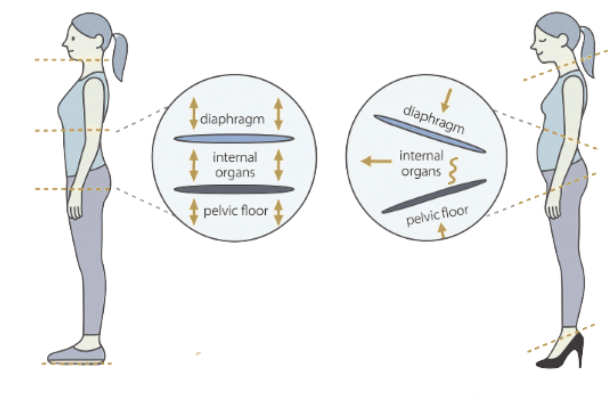
A report indicated that wearing high heels can contribute to chronic muscle tension and spinal misalignment, possibly leading to conditions that interfere with daily activities. In fact, studies find that nearly 70% of heel wearers report back pain at some point in their lives.

Alternative Footwear Choices
Choosing the right shoes is vital for your health. Look for lower-heeled options with ample arch support. Shoes with cushioning and flexibility can help counter the pressure placed on your knees and spine while still being stylish.
Brands today offer trendy footwear that prioritizes comfort without compromising aesthetics. For instance, sandals with lower heels and supportive soles can be both fashionable and safe for your feet.
Taking a Break from Heels
Regularly alternating between high heels and more comfortable shoes can significantly relieve stress on your knees and spine. Make a habit of switching to supportive footwear whenever possible, especially during lengthy outings where you'll be standing or walking.
Even short breaks from high heels can make a difference. Consider carrying a pair of flats in your bag to switch out throughout the day.
Incorporating Foot Health Exercises
Integrating foot health exercises into your routine can be very beneficial. Simple stretches and strengthening activities can help reduce the negative impacts of high heel wear. Here are a few effective exercises:
Toe Raises: Stand tall and rise up on your toes. This strengthens the calf muscles.
Calf Stretches: Lean against a wall, placing one foot behind the other. This will stretch your calf muscles and improve flexibility.
Ankle Rotations: Sit down and extend one leg. Rotate your ankle in circles to enhance mobility.

Exercises being demonstrated on a yoga mat for better foot health
Including core and lower back exercises in your fitness routine can also support better posture and minimize back pain.
Seeking Expert Advice
If you notice ongoing knee or back pain linked to high heel use, don’t hesitate to consult an orthopaedic specialist like Dr. Kashyap Solanki. With his expertise in musculoskeletal health, he can provide tailored recommendations and treatment options that meet your individual needs.
Getting a thorough assessment is crucial. This can help identify any underlying issues and enable you to take proactive steps toward preserving your joint and spinal health.
Your Footwear Matters
High heels might elevate your look but can cause serious knee and spine problems if worn too frequently. By understanding their impact, you can make better choices about what you wear on your feet.
Incorporate comfortable alternatives, take regular breaks, and engage in foot health exercises to reduce pain and discomfort. Remember, style is important, but so is your health. Prioritizing well-being ensures you not only look great but feel great too.
Being aware and taking preventive measures can help you enjoy your high heels without sacrificing your health. Always listen to your body and consult with professionals for guidance on maintaining your health as you navigate the world of fashion.


Comments