
Knee Replacement Surgery: Frequently Asked Questions

Knee replacement surgery is a significant medical procedure that many people consider when dealing with severe knee pain or mobility issues. Understanding the process, recovery, and potential complications can help you make informed decisions. This article addresses some of the most common knee surgery questions to guide you through what to expect before, during, and after the operation.
Common Knee Surgery Questions: What You Need to Know
Knee replacement surgery involves removing damaged parts of the knee joint and replacing them with artificial components. This procedure is typically recommended for individuals suffering from osteoarthritis, rheumatoid arthritis, or injury-related knee damage.
How long does the surgery take?
The surgery usually lasts between 1 to 2 hours, depending on the complexity and the patient's condition.
What type of anesthesia is used?
Most patients receive either general anesthesia (where you are asleep) or spinal anesthesia (numbing from the waist down).
Is knee replacement surgery painful?
Post-surgery pain is expected but manageable with prescribed medications. Pain levels vary, but modern pain control techniques have improved patient comfort significantly.
How long is the hospital stay?
Typically, patients stay in the hospital for 2 to 4 days after surgery, depending on their recovery progress.
When can I start walking again?
Most patients begin walking with assistance within 24 hours after surgery. Physical therapy starts early to promote mobility and strength.
Are there risks involved?
As with any surgery, risks include infection, blood clots, and implant issues. However, these are relatively rare with proper care.
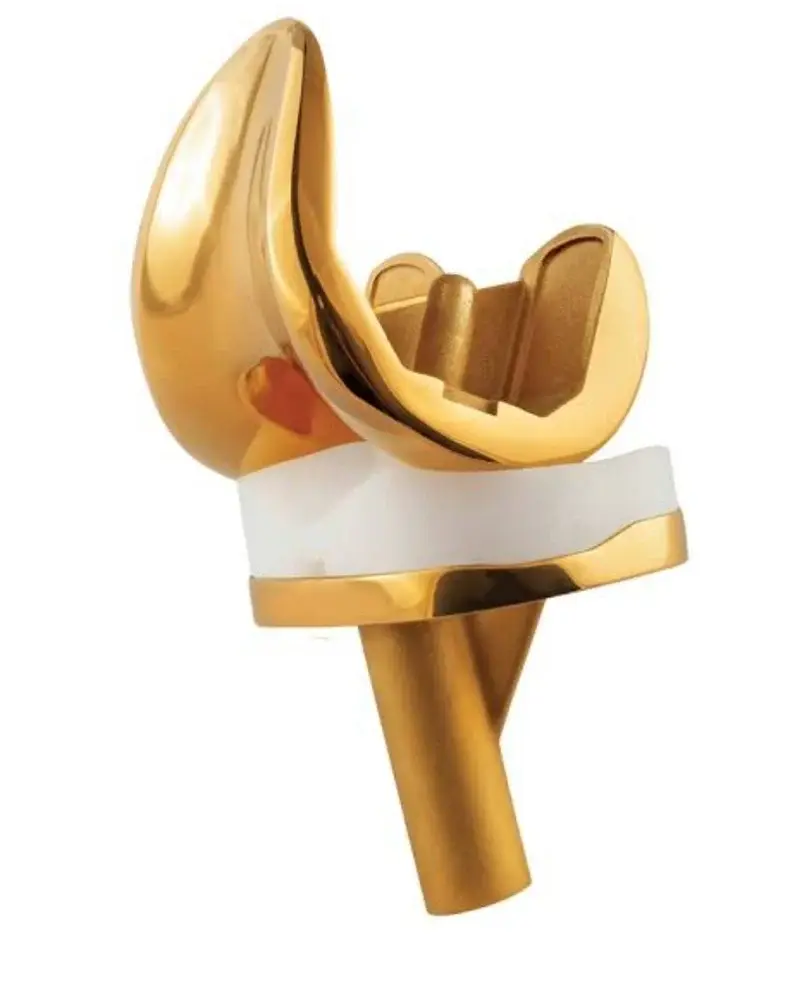
Close-up view of a knee joint model showing artificial components
What is the biggest complaint after knee replacement surgery?
One of the most common complaints after knee replacement surgery is persistent pain or stiffness. While the surgery aims to relieve chronic pain, some patients experience discomfort during the recovery phase.
Why does this happen?
Inflammation and swelling around the joint
Scar tissue formation
Muscle weakness or imbalance
Implant positioning issues
How can it be managed?
Regular physical therapy focusing on range of motion and strengthening exercises
Anti-inflammatory medications as prescribed
Ice packs and elevation to reduce swelling
Follow-up consultations to monitor implant function
Another frequent concern is difficulty in bending the knee fully. This can improve over time with consistent rehabilitation but may require additional interventions if severe.

Eye-level view of a physical therapist assisting a patient with knee exercises
Preparing for Knee Replacement Surgery: Essential Tips
Proper preparation can make a significant difference in your surgery outcome and recovery speed. Here are some practical steps to take before your operation:
Medical Evaluation
Complete all pre-surgery tests and consultations. Inform your doctor about any medications or supplements you are taking.
Home Preparation
Arrange your living space to minimize the need for bending or reaching. Place frequently used items within easy reach.
Physical Conditioning
Engage in light exercises to strengthen muscles around the knee. This can improve post-surgery recovery.
Plan for Assistance
Arrange for someone to help you at home during the initial recovery period.
Understand the Procedure
Ask your surgeon about the type of implant, surgical approach, and expected recovery timeline.
What to bring to the hospital?
Comfortable clothing and footwear
Personal hygiene items
Any prescribed medications
Medical documents and identification
Recovery and Rehabilitation: What to Expect
Recovery from knee replacement surgery is a gradual process that requires patience and commitment. Here’s a typical timeline and what you can expect:
First Week: Focus on pain management, wound care, and beginning gentle movements. Use assistive devices like walkers or crutches.
Weeks 2-6: Increase physical therapy intensity. Aim to regain knee flexibility and strength. Most patients can walk without assistance by the end of this period.
Months 2-6: Continue strengthening exercises and low-impact activities like swimming or cycling. Avoid high-impact sports.
After 6 Months: Most patients experience significant pain relief and improved mobility. Regular follow-ups ensure the implant is functioning well.
Tips for successful rehabilitation:
Follow your physical therapist’s instructions carefully
Maintain a healthy diet to support healing
Avoid activities that put excessive strain on the knee
Report any unusual symptoms like swelling, redness, or severe pain to your doctor immediately
Frequently Asked Questions About Knee Replacement Surgery
If you want to explore more detailed answers to your concerns, you can visit this comprehensive knee replacement surgery faq page. It covers topics such as:
Longevity of knee implants
Risks and complications
Alternatives to surgery
Post-surgery lifestyle changes
Cost and insurance coverage
This resource is valuable for anyone considering knee replacement surgery or currently in the recovery phase.
Living with a Knee Replacement: Long-Term Care and Lifestyle
After recovering from knee replacement surgery, maintaining your new joint’s health is crucial. Here are some recommendations for long-term care:
Stay Active: Engage in low-impact exercises like walking, swimming, or yoga to keep the joint flexible and muscles strong.
Weight Management: Maintaining a healthy weight reduces stress on the knee.
Regular Check-ups: Visit your orthopedic surgeon periodically to monitor the implant’s condition.
Avoid High-Impact Activities: Sports like running or jumping can damage the artificial joint.
Use Supportive Footwear: Proper shoes can improve alignment and reduce knee strain.
By following these guidelines, you can enjoy improved mobility and a better quality of life for many years after your surgery.
Knee replacement surgery is a life-changing procedure for many people suffering from chronic knee pain. Understanding the process, managing expectations, and following through with rehabilitation are key to a successful outcome. If you have more questions, the knee replacement surgery faq is an excellent place to start your research.
Orthopaedic Surgeon – Andheri, Mumbai
Dr. Kashyap Solanki specializes in hip and knee replacement, robotic-assisted knee surgery, and joint preservation procedures like HTO, arthroscopy, and ligament reconstruction. He is also known for performing complex revision joint replacements and managing challenging upper and lower limb fractures. With a focus on precision and patient-centered care, Dr. Solanki helps restore mobility and improve quality of life through advanced orthopaedic solutions.
With over four decades of distinguished orthopaedic practice, Dr. Prabhu Solanki stands as one of Mumbai’s most experienced and respected orthopaedic surgeons. Having treated more than 40,000 patients and performed over 10,000 surgeries, his clinical outcomes and dedication have earned him widespread recognition — not just in Mumbai, but across India and abroad.
Dr. Solanki’s reputation for precision, ethical care, and long-term results has brought him patients from all over India, as well as international patients seeking high-quality orthopaedic treatment and surgical expertise in Mumbai.
Consult Dr. Kashyap Solanki for Knee Replacement in Mumbai
If you are experiencing severe knee pain in Mumbai and
wondering whether knee replacement surgery is right for
you, Dr. Kashyap Solanki is here to help. As a leading
orthopaedic surgeon in Andheri East and Juhu, Mumbai,
he has helped hundreds of patients regain their mobility
and live pain-free lives.
Whether you need Total Knee Replacement (TKR), robotic-
assisted knee surgery, or a second opinion on your
condition, Dr. Kashyap Solanki provides personalised
care tailored to your needs.
📍 Clinics in Andheri East and Vile Parle West, Mumbai
📞 Call/WhatsApp: +91 8108171796
Book your consultation today — take the first step
towards a pain-free, active life!
Orthopaedic Surgeon in Juhu, Orthopaedic Surgeon in Vile Parle, Orthopaedic Surgeon in Andheri, Orthopedic Surgeon in Mumbai, Hip & Knee Replacement Surgeon in Andheri, Hip & Knee Replacement Surgeon in Juhu, Hip & Knee Replacement Surgeon in Vile Parle, Hip & Knee Replacement Surgeon in Santacruz, Orthopaedic Surgeon in Santacruz, robotic knee replacement, total knee replacement (TKR), gold knee replacement, arthroscopic knee surgery (knee arthroscopy), Hiflex knee replacement, unicompartmental knee replacement, total hip replacement, shoulder replacement, shoulder arthroscopy, microlumbar discectomy, lumbar fusion, spine surgery, Orthopedic Surgeon, Knee Specialist Mumbai, Hip Replacement Surgeon Mumbai, Spine Surgeon Mumbai, Andheri East, Santa Cruz East, Mumbai, Knee & Spine Clinic, Orthopedics & Physiotherapy, Specialized knee, hip, spine treatments, Minimally invasive spine surgery, Precision Orthopedics, Joint Replacement Surgery, Physiotherapy post-surgery



Comments