
Bone Setters & Haadh Vaidyas: Complications You Must Know by Dr. Kashyap Solanki, Andheri East, Mumbai.
- Dr. Kashyap Solanki

- Aug 11, 2025
- 2 min read
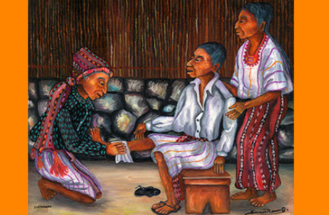
In many parts of India, people still visit traditional bone setters (Haadh Vaidyas) for fractures, sprains, and dislocations. While these practitioners may be locally popular, their methods are often unscientific and unsafe, leading to severe complications.
As an orthopaedic surgeon, I frequently treat patients whose initial injuries became far worse due to such treatments.
Why People Still Choose Bone Setters
Easy access in rural or semi-urban areas
Lower immediate cost compared to hospitals
Long-standing cultural trust
Fear of surgery and modern medicine
These reasons may seem convincing at first — but the hidden dangers can cause lifelong disability.
Complications Caused by Bone Setters & Haadh Vaidyas
1. Missed or Wrong Diagnosis
Without X-rays or proper assessment, fractures may be mistaken for sprains, and serious injuries like nerve damage, blood vessel injury, or joint dislocation are often missed.
2. Improper Bone Alignment
If a fracture is not reduced (aligned) correctly, it may heal abnormally (malunion) or not heal at all (nonunion). This causes deformity, poor limb function, and chronic pain.
3. Over-Tight Bandages or Splints
Using cloth strips, bamboo sticks, or herbal wraps too tightly can cut off blood circulation, leading to:
Compartment syndrome
Nerve damage
Gangrene (which may require amputation)
4. Infections
Non-sterile techniques and application of herbal pastes directly to open wounds can cause osteomyelitis — a severe bone infection that is difficult and costly to treat.
5. Delayed Hospital Care
Precious treatment time is lost. By the time patients reach a hospital, injuries often require complex surgery instead of simple treatment.
Long-Term Consequences
Patients treated by untrained practitioners may suffer:
Permanent deformity
Joint stiffness and arthritis
Chronic pain
Limb shortening
In extreme cases, amputation
Safe & Effective Modern Orthopaedic Care
Fractures and dislocations should be treated by a qualified orthopaedic surgeon who can provide:
Accurate diagnosis with X-rays or scans
Sterile and scientific fracture reduction
Correct immobilization or surgical fixation
Physiotherapy and guided rehabilitation
Orthopaedic Surgeon – Andheri East, Mumbai
Dr. Kashyap Solanki specializes in hip and knee replacement, robotic-assisted knee surgery, and joint preservation procedures like HTO, arthroscopy, and ligament reconstruction. He is also known for performing complex revision joint replacements and managing challenging upper and lower limb fractures. With a focus on precision and patient-centered care, Dr. Solanki helps restore mobility and improve quality of life through advanced orthopaedic solutions.
Orthopaedic Surgeon in Juhu, Orthopaedic Surgeon in Vile Parle, Orthopaedic Surgeon in Andheri, Orthopedic Surgeon in Mumbai, Hip & Knee Replacement Surgeon in Andheri, Hip & Knee Replacement Surgeon in Juhu, Hip & Knee Replacement Surgeon in Vile Parle, Hip & Knee Replacement Surgeon in Santacruz, Orthopaedic Surgeon in Santacruz, robotic knee replacement, total knee replacement (TKR), gold knee replacement, arthroscopic knee surgery (knee arthroscopy), Hiflex knee replacement, unicompartmental knee replacement, total hip replacement, shoulder replacement, shoulder arthroscopy, microlumbar discectomy, lumbar fusion, spine surgery, Orthopedic Surgeon, Knee Specialist Mumbai, Hip Replacement Surgeon Mumbai, Spine Surgeon Mumbai, Andheri East, Santa Cruz East, Mumbai, Knee & Spine Clinic, Orthopedics & Physiotherapy, Specialized knee, hip, spine treatments, Minimally invasive spine surgery, Precision Orthopedics, Joint Replacement Surgery, Physiotherapy post-surgery


Comments